Working landscapes 7 min read
The Tree Line Below Mount Kenya
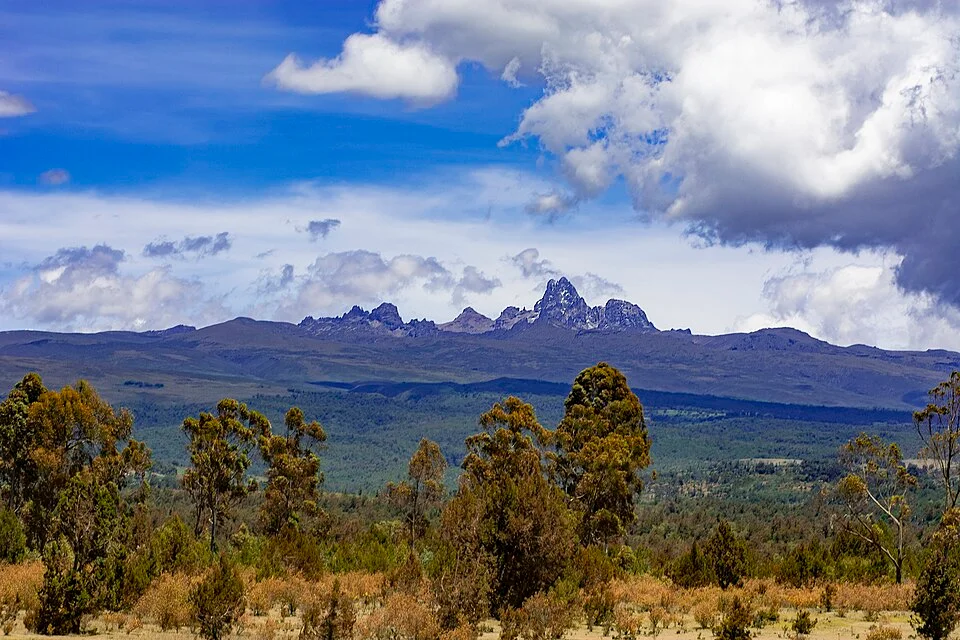
From Timau Forest, dark woodland and jagged peaks seem to meet in one view. Between them lie several different transitions.
 The world edition
Look past the view to the work that maintains it.
From Timau Forest, dark woodland and jagged peaks seem to meet in one view. Between them lie several different transitions.
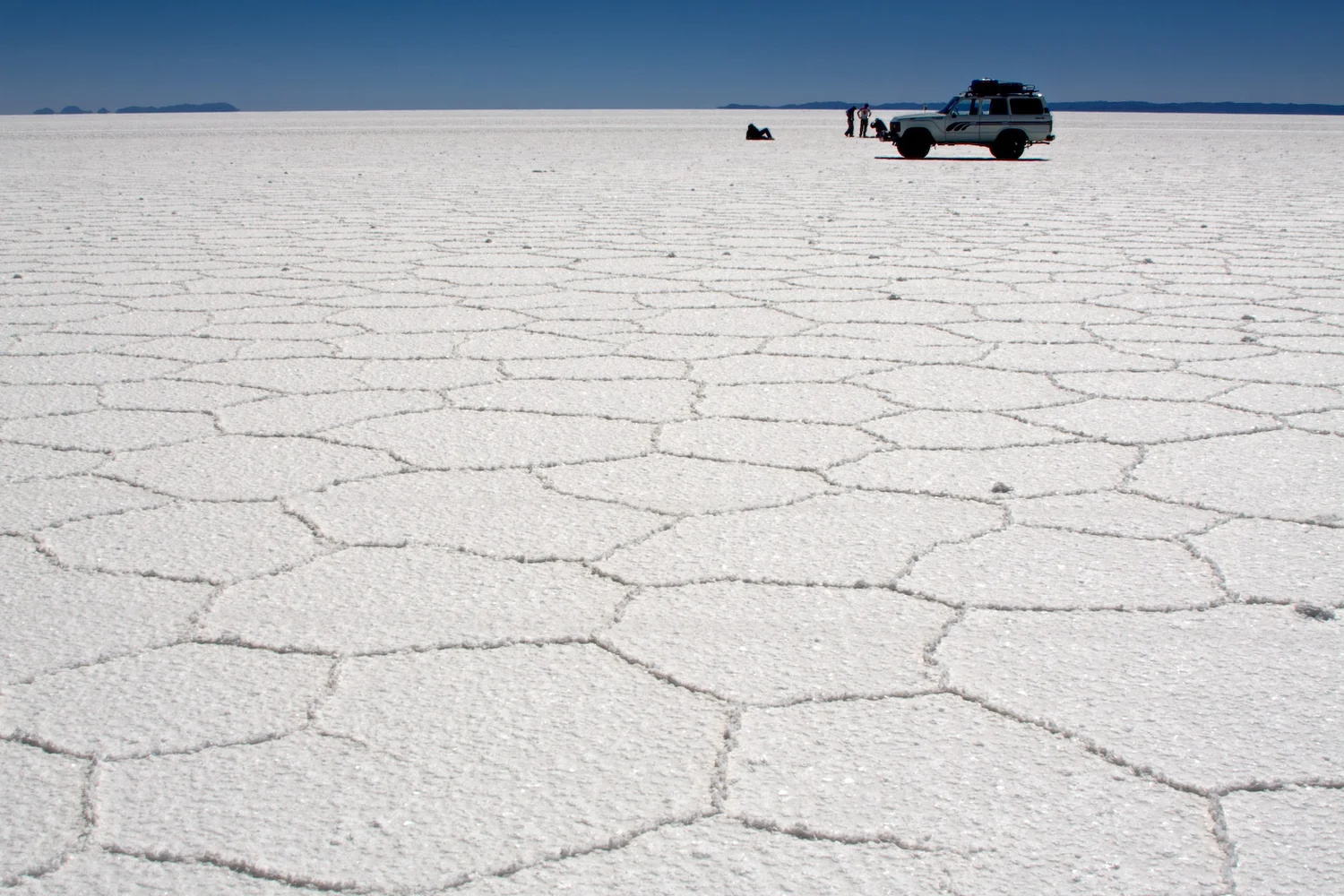
From standing height, low ridges break Bolivia’s pale salt flat into polygons. The surface owes its changing appearance to crust, brine and a water supply that does not stay constant.
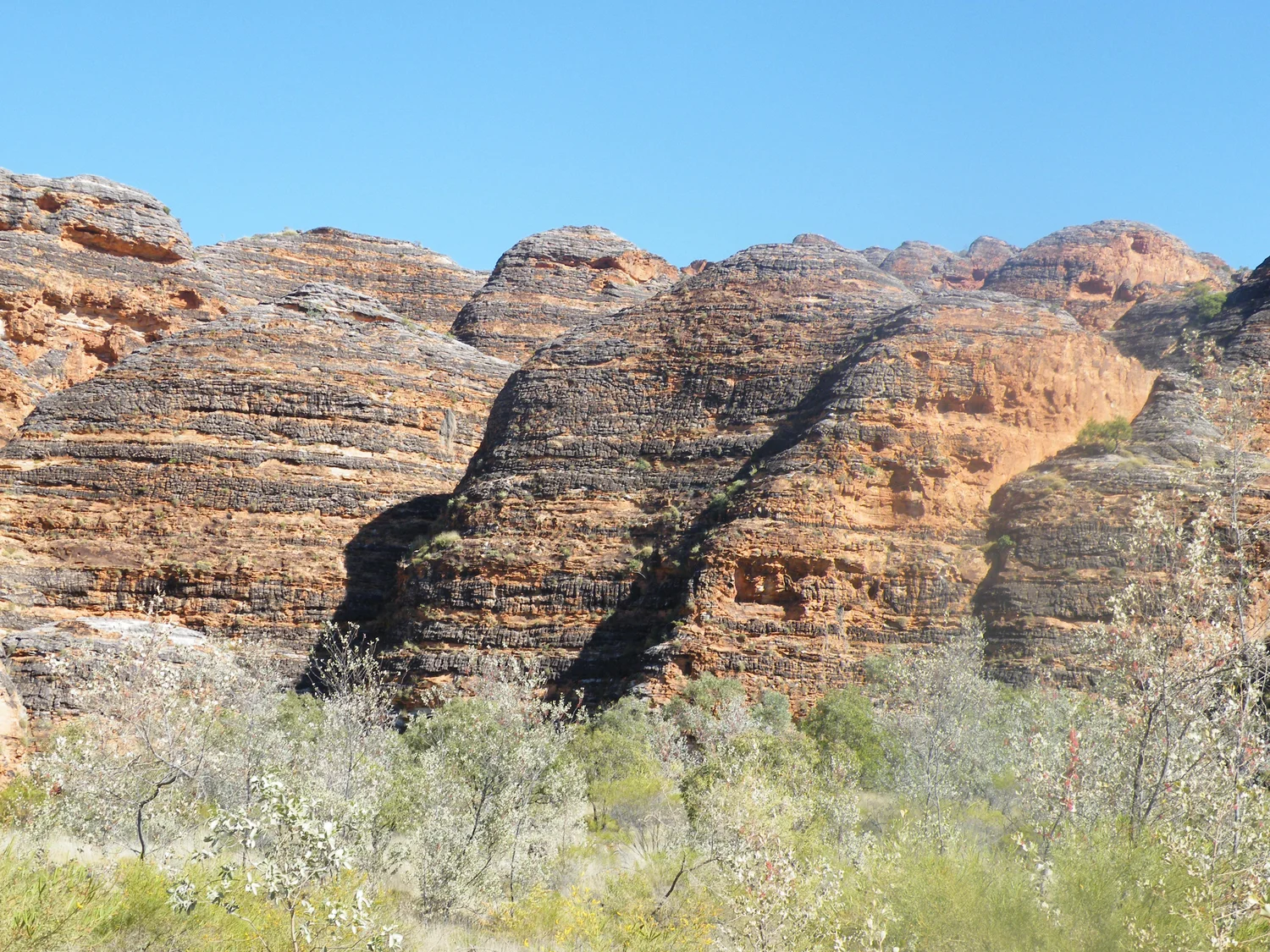
The dark bands on Western Australia’s sandstone domes sit on rocks whose layers hold moisture differently. Their appearance records both the shape of the rock and the conditions at its surface.
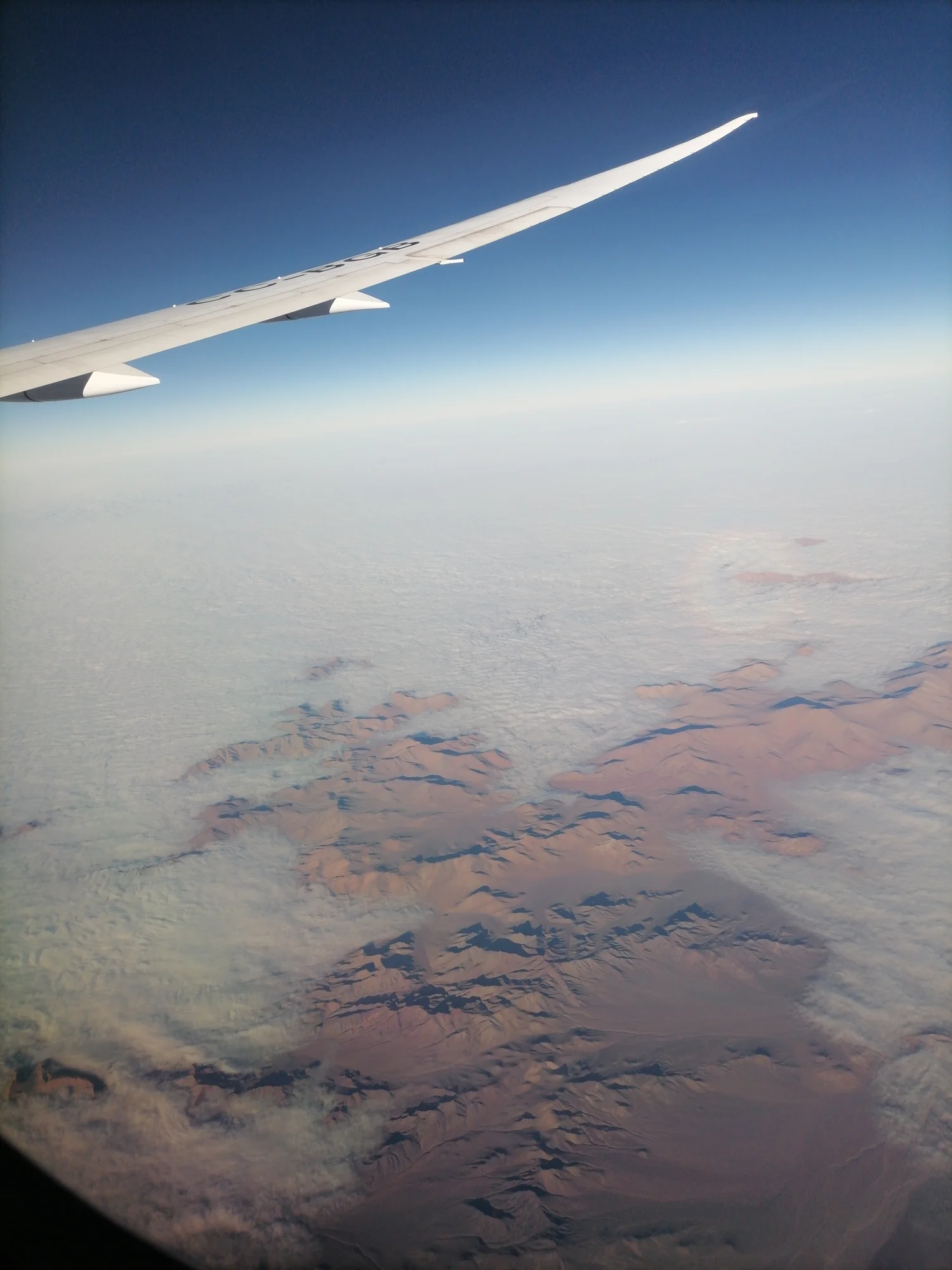
Low cloud off northern Chile can meet a coastal hillside without bringing measurable rain. A view from the air gives the cloud its width; a view from the ground explains where it becomes fog.
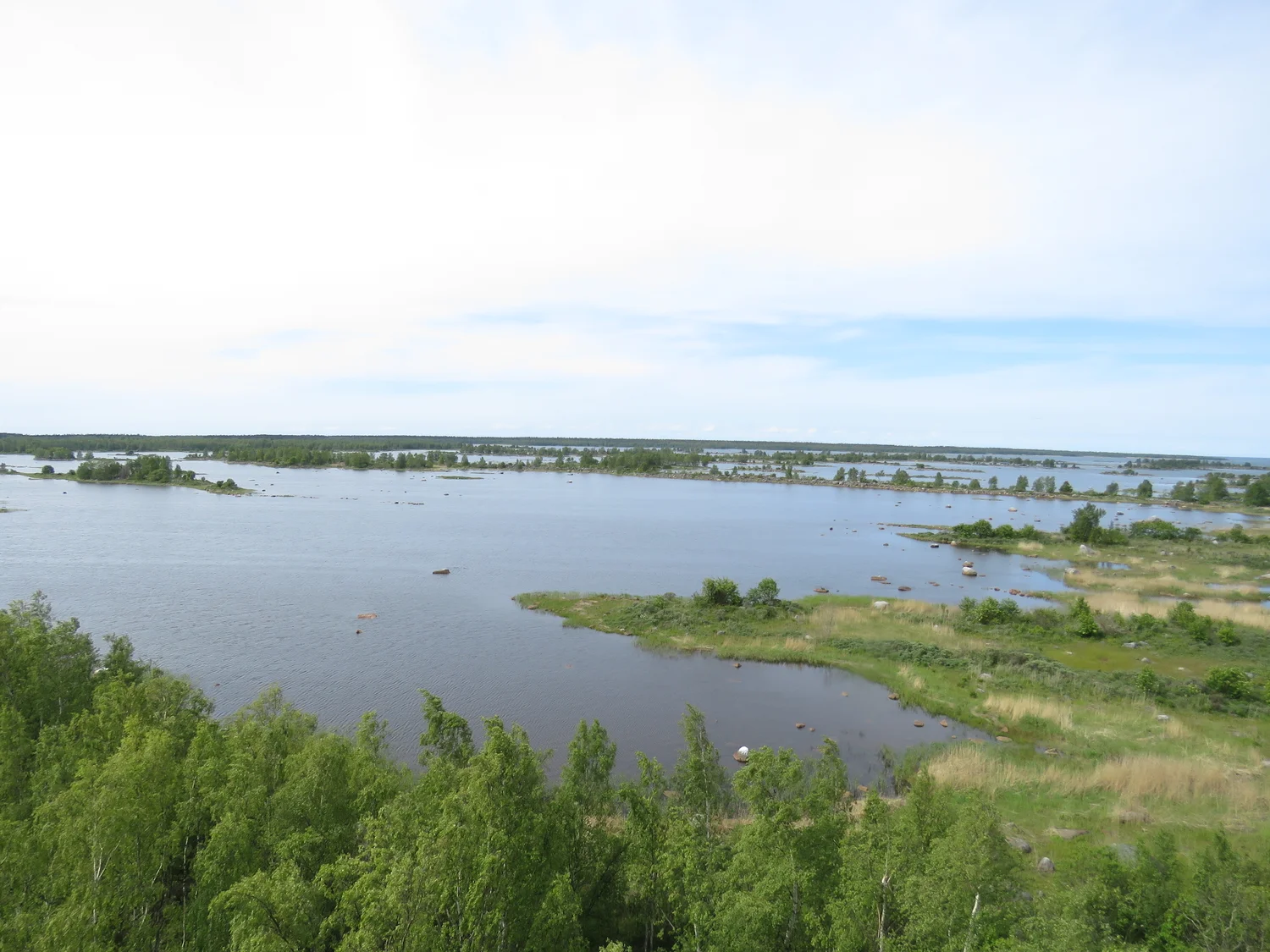
Low ridges in a Finnish archipelago were left by ice. The land’s continuing rise changes which parts of those older shapes lie under water and which pieces become shore.
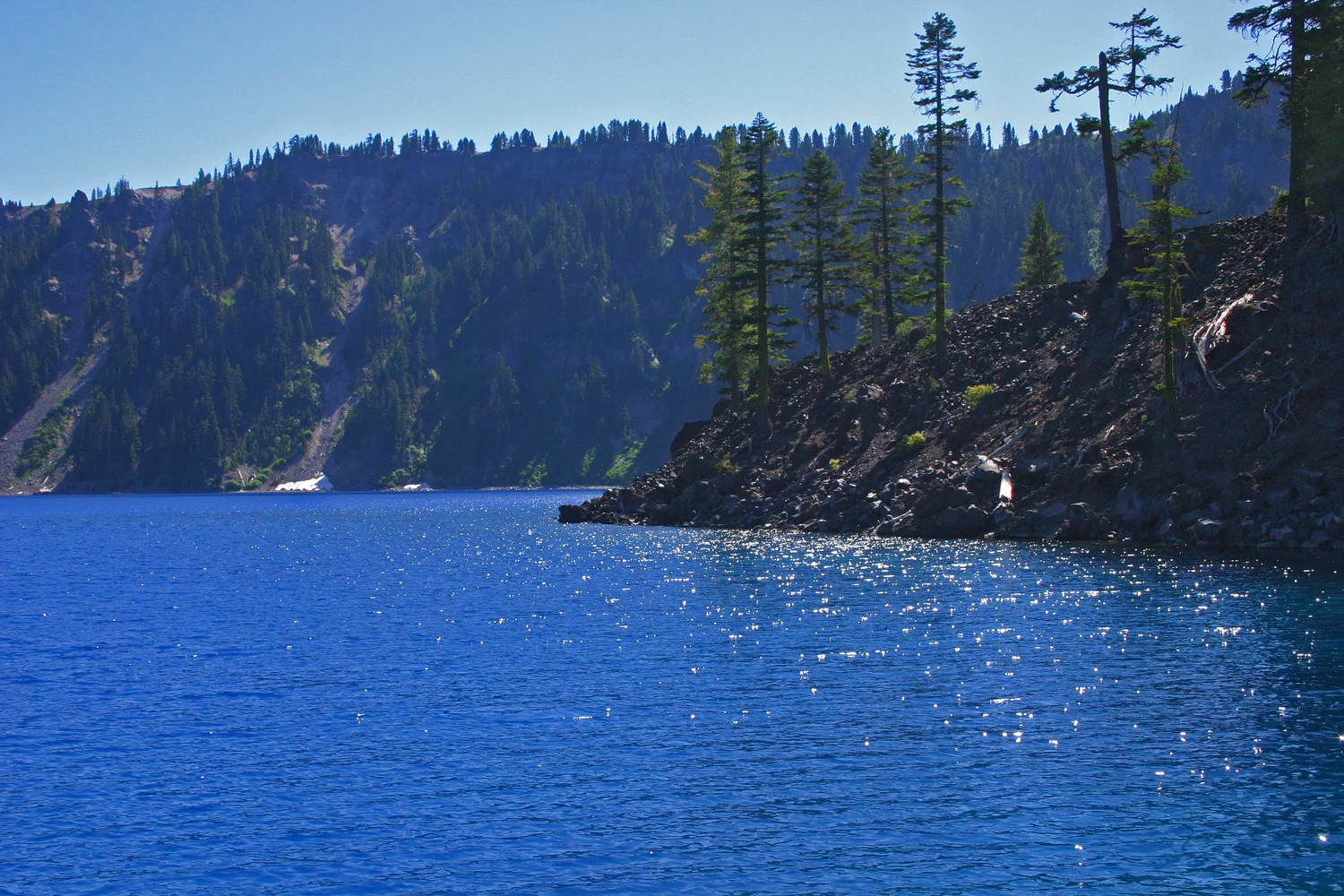
A lake in southern Oregon occupies only part of a collapse basin. From the rim, from a boat and from a depth survey, the same valley reveals different parts of its volcanic history.
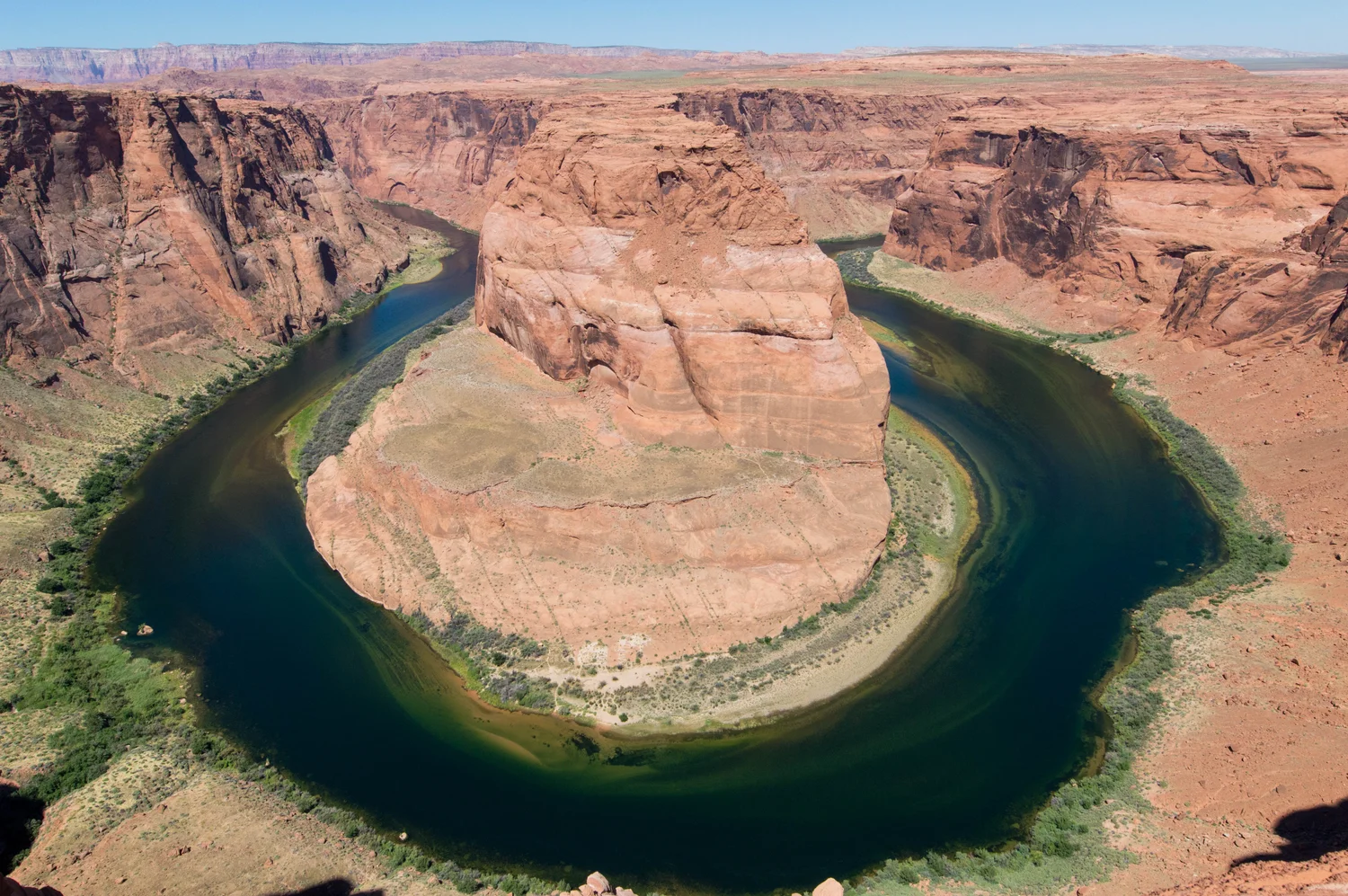
At Horseshoe Bend the shape a river can make across low ground survives among steep sandstone walls. Reading the bend from above and from the side gives two views of the same history.
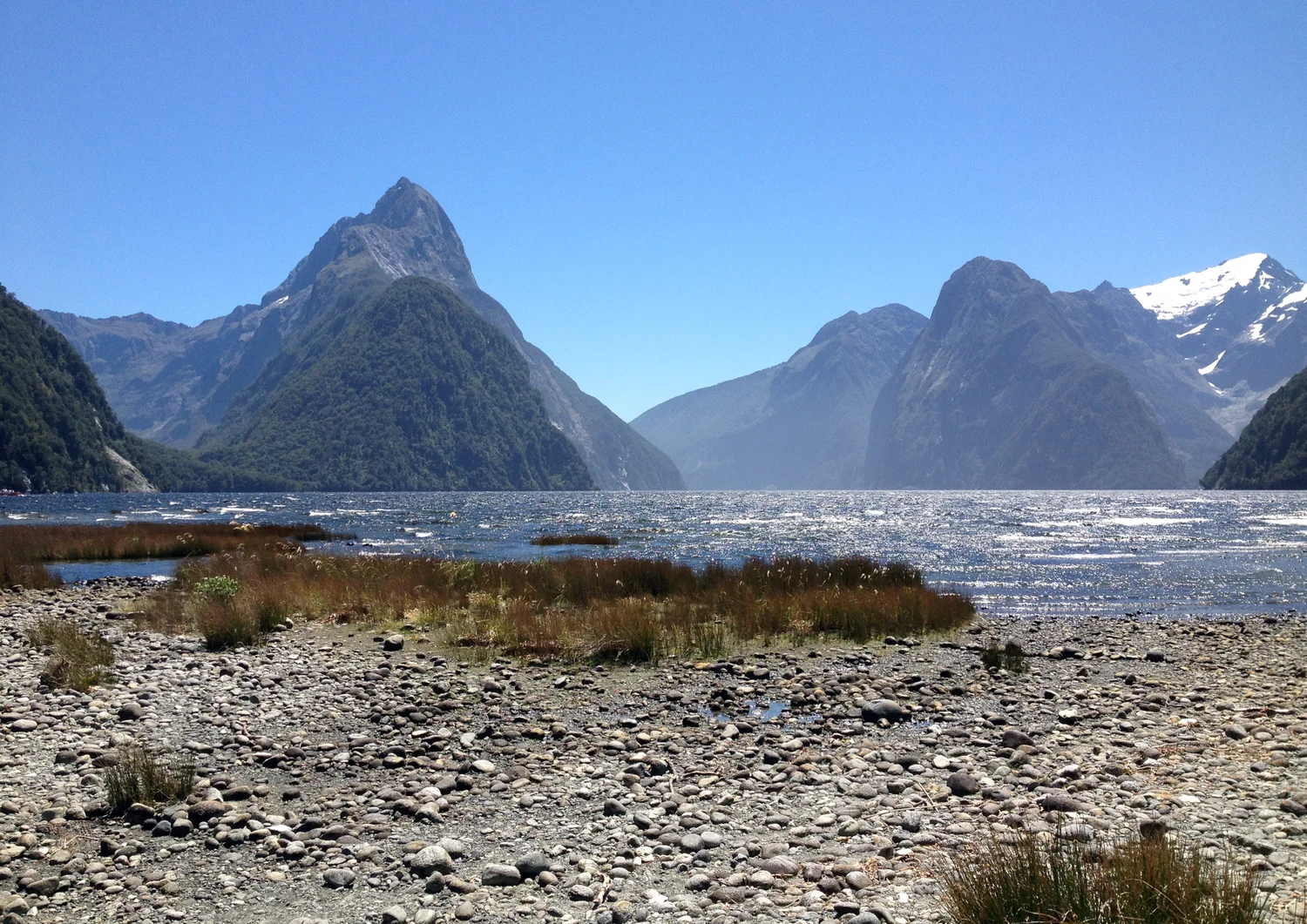
Piopiotahi is a valley full of sea. Its glacial walls continue below the glittering water, where rain and runoff change what lives at relatively shallow depths.
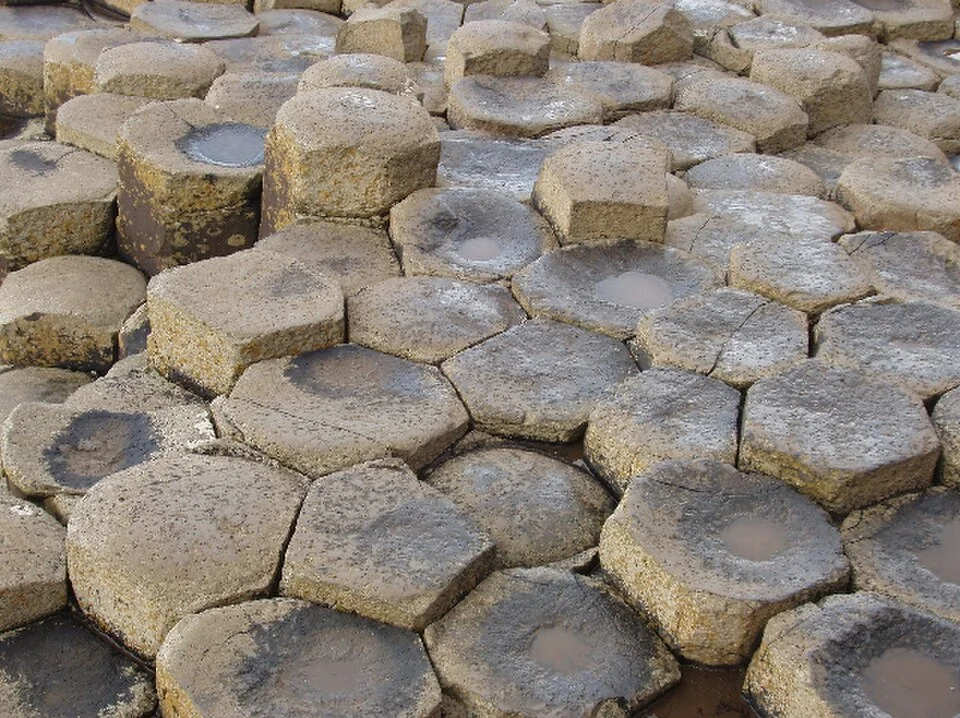
A close view of the basalt pavement shows that its columns do not all have six sides. Look down at the ends and then across the cliffs to see two views of one cooling and erosion story.
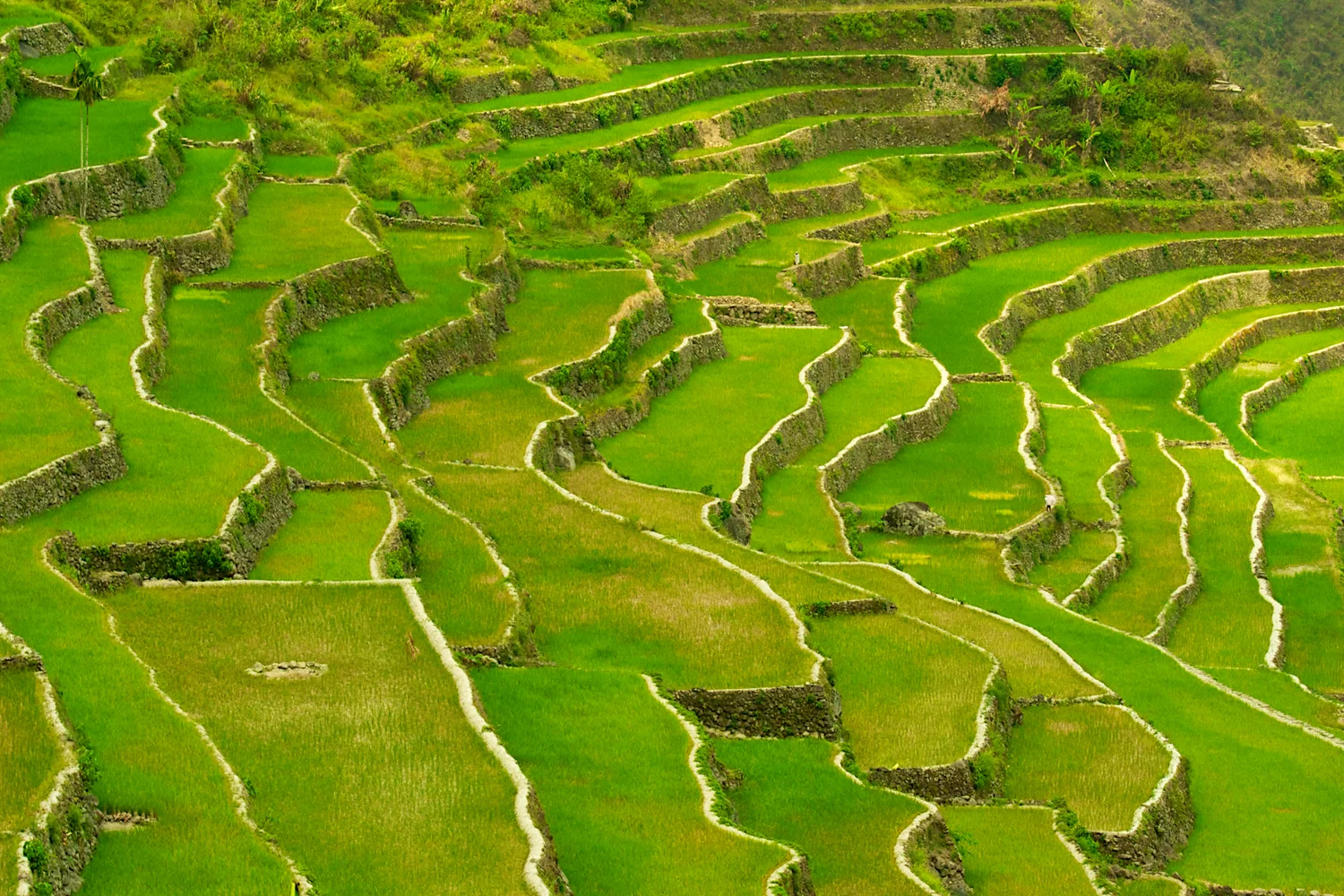
Seen from above, Batad looks like a hillside divided into separate fields. The water that reaches them comes from a system that begins beyond the visible edges of the terraces.
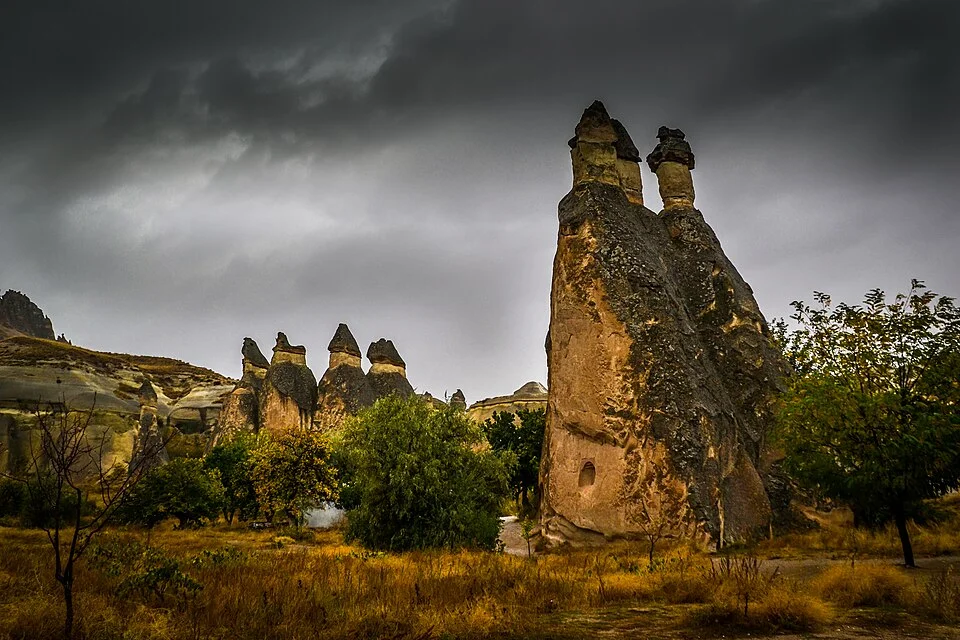
Cappadocia’s pinnacles are part of a wider terrain of ridges, cuts and rock-hewn spaces. The shape of one chimney is easier to read when the surrounding valley stays in the picture.
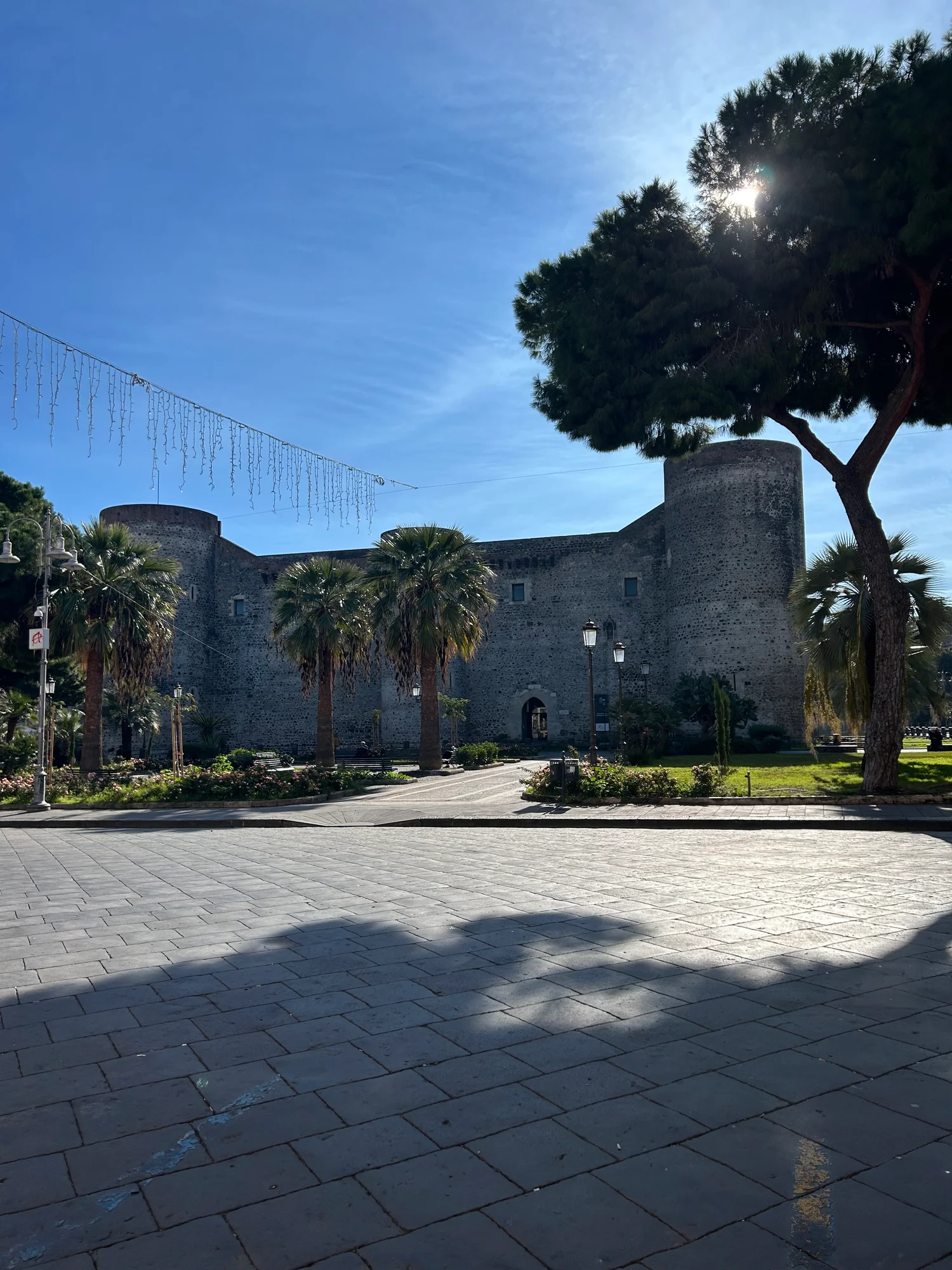
Castello Ursino did not move when the coast of Catania changed. The 1669 Etna lava flow left a new relation between the same building, the sea and the surrounding city.
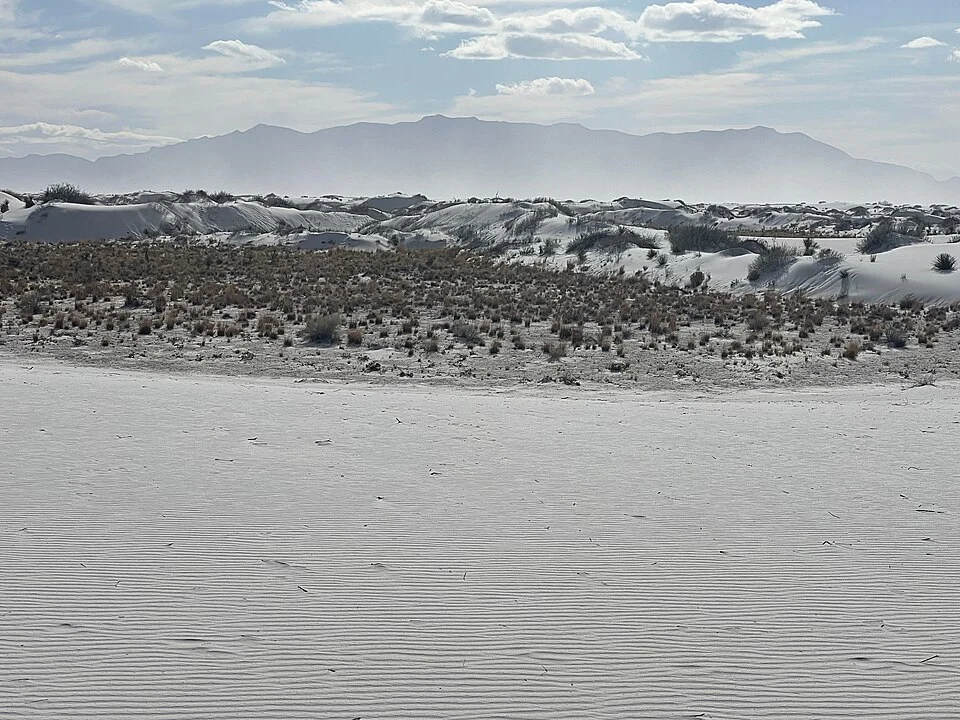
The pale slopes at White Sands are one stage in a longer trip. Gypsum moves through rock, dissolved material, crystals and grains before the wind gives it a dune’s shape.
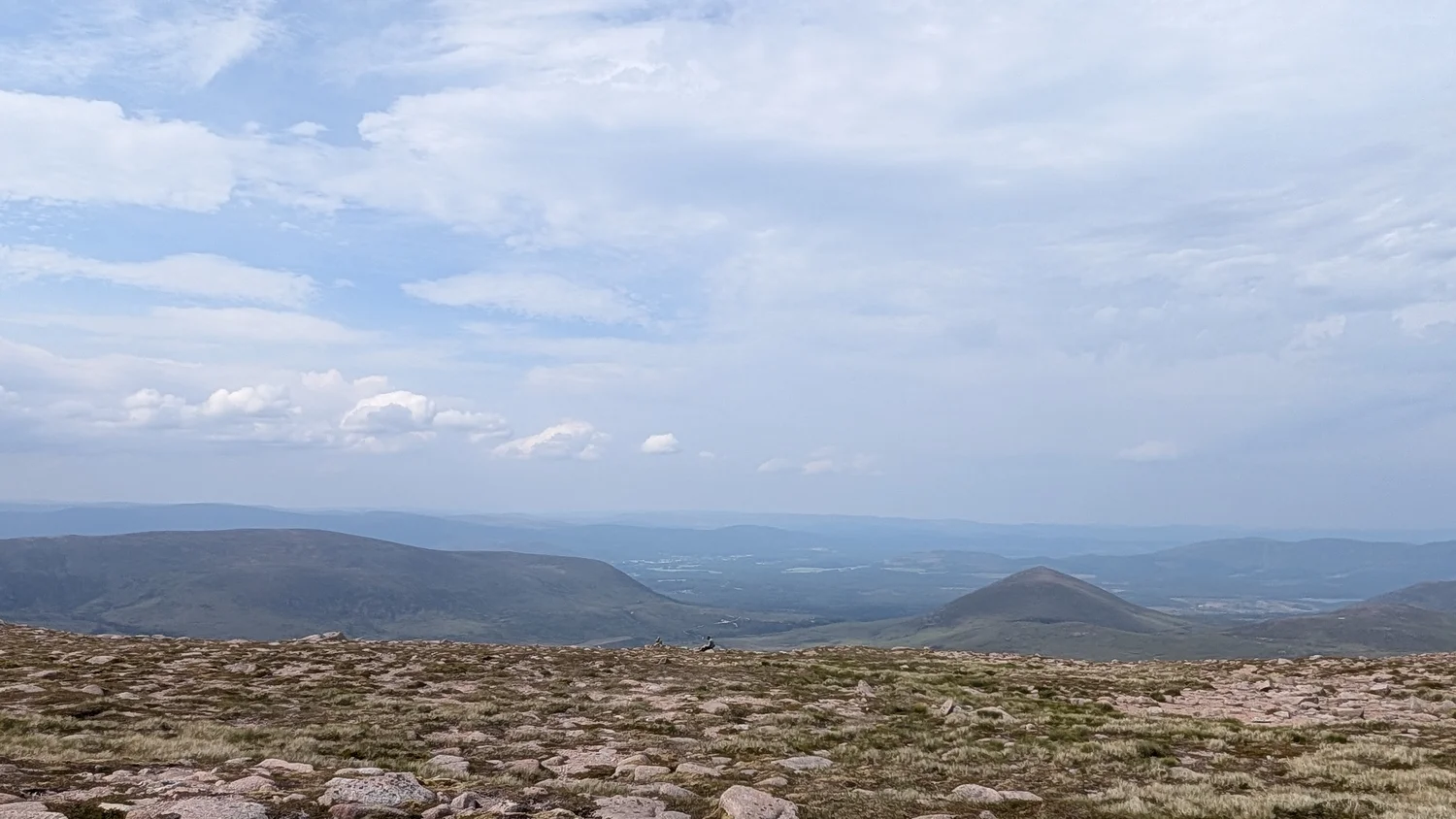
A photograph from below Braeriach shows why height and steepness are different things. Scotland’s Cairngorms preserve broad upland surfaces alongside valleys and hollows shaped by ice.
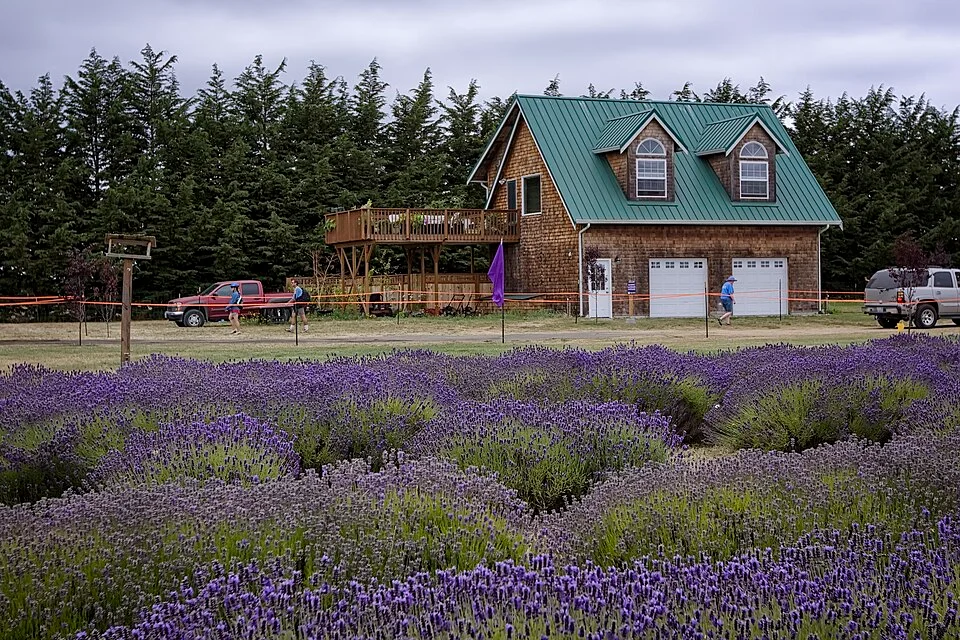
The forests and farms of Washington’s Olympic Peninsula do not share one rainfall figure. An eastward sketch shows how nearby places can receive very different amounts of water.
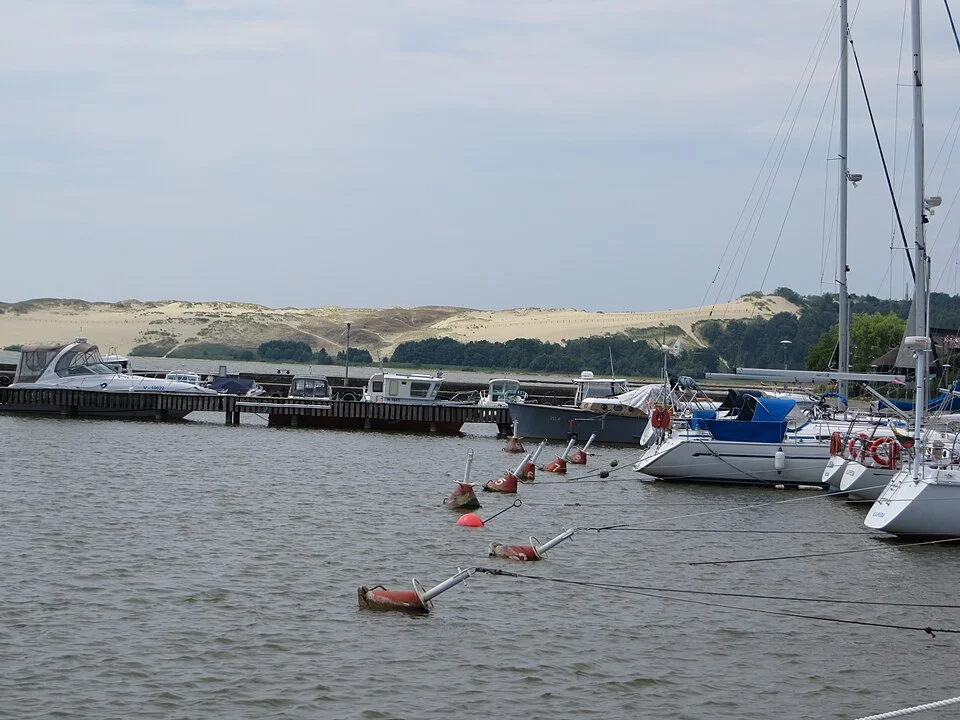
The Curonian Spit divides a lagoon from the Baltic Sea. The woodlands, villages and bare dunes along it belong to a long effort to live with moving sand.
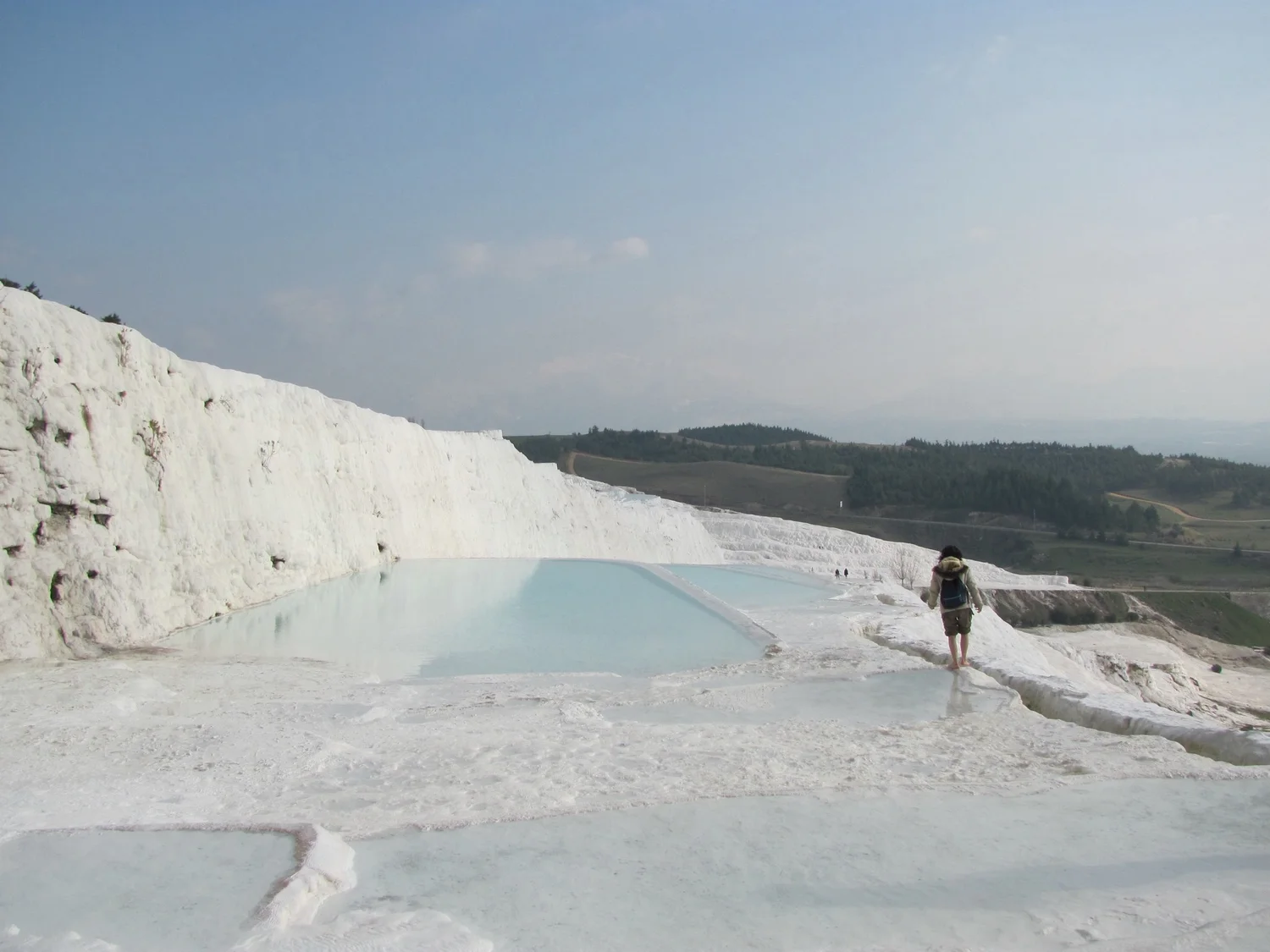
The shallow pools below Hierapolis can be read from the rim outward: a thermal spring supplies the water, and the water gradually sets down new rock.
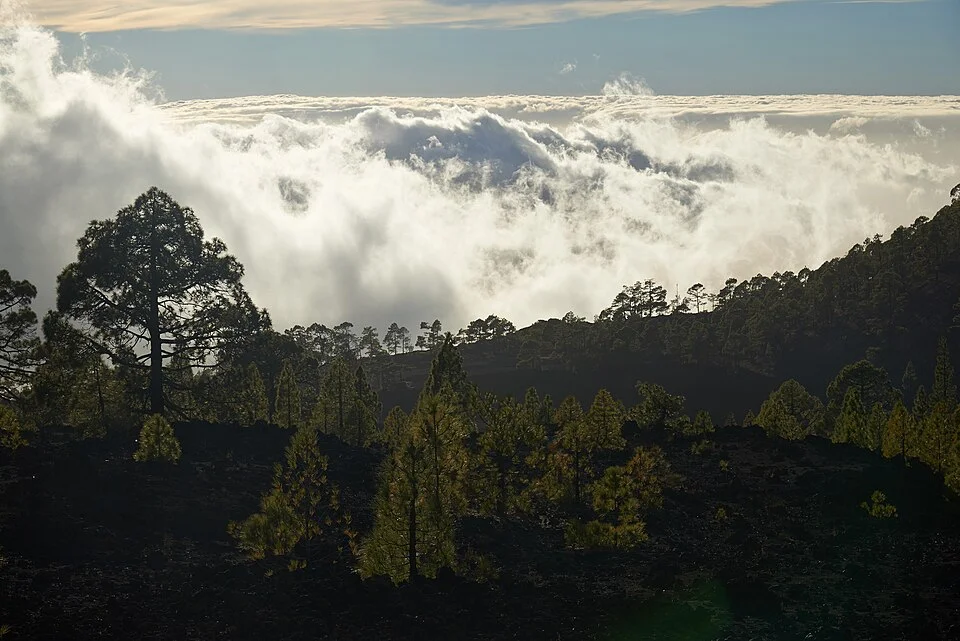
Tenerife’s sea of clouds takes shape where moist Atlantic air meets rising ground and a warm layer limits how far the cloud can grow.
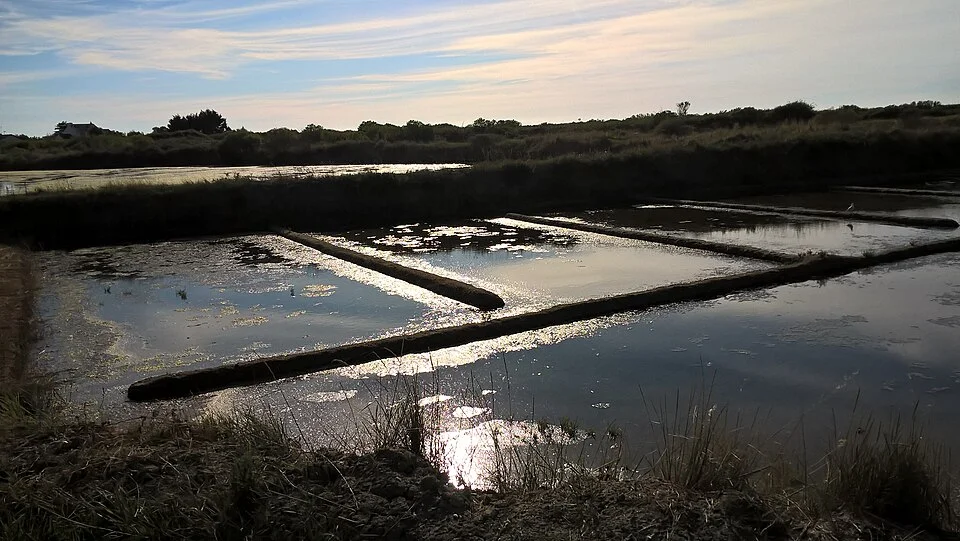
The low banks at Guérande make sea water take a series of deliberate steps. The path gives the tide, weather and salt worker different roles in the same harvest.
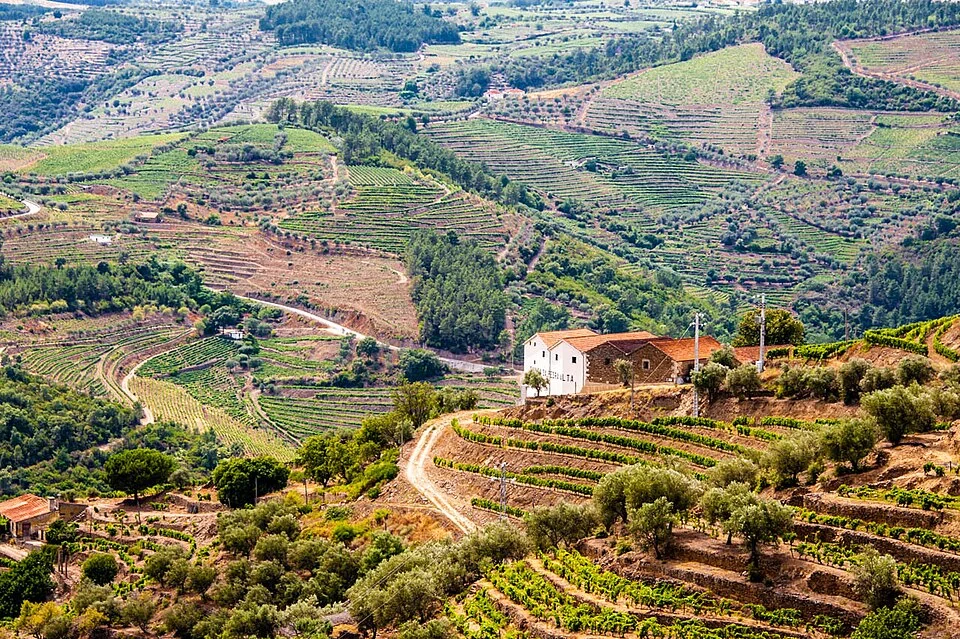
The stripes in an Alto Douro hillside come from different ways of fitting work to steep ground. Look at what holds up one strip before following it down the valley.